
Table of Contents
TogglePlaces to Visit in Goa: The Ultimate Travel Guide
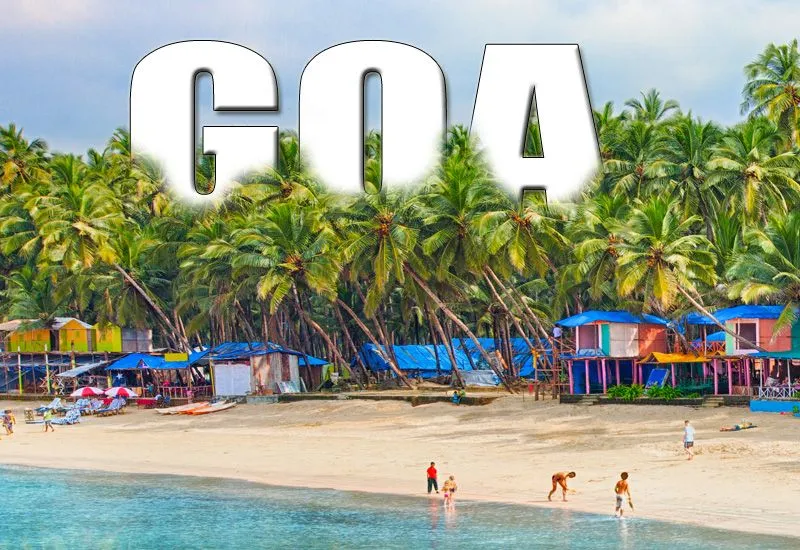
Goa is one of India’s most loved travel destinations, famous for its stunning beaches, vibrant nightlife, Portuguese heritage, and laid-back vibe. Whether you’re planning a relaxing vacation, a party trip with friends, or a cultural exploration, this guide to places to visit in Goa will help you discover the best spots to make your trip unforgettable.
Goa is one place in India that genuinely goes beyond the typical. With its 105 kilometers of golden beachfront, rich Portuguese colonial history, lush rainforest interiors, exciting nightlife, and some of the best cuisine in the nation, this small state, which is tucked away along the western coast of the Indian subcontinent, delivers an incredible punch. The destinations in Goa will captivate you whether you are a family in search of adventure, a couple looking for a romantic getaway, or a backpacker on a tight budget.
Goa’s lovely paradoxes are what make it so charming. 400-year-old Baroque churches can be reached on foot from ancient Hindu temples. Beach clubs throb with techno music till dawn, while fishing towns pulse with a calm, timeless rhythm. While crabs sizzle in butter at beachside shacks, the interior is fragrant with spice farms. This is a place that encourages leisurely exploration; each meandering street, paddy field, and centuries-old tile exposes a different facet of Goa’s extraordinary personality.
Planning a trip? This guide covers the very best places to visit in Goa — from iconic beaches and World Heritage churches to hidden waterfalls and forgotten forts. We have divided it into North Goa and South Goa, so you can plan your itinerary with ease.
“Goa is not just a destination — it is a feeling. The salt on your lips, the warmth of the laterite stone, the slow sway of palms at dusk. You do not visit Goa; you surrender to it.”
Best Places to Visit in North Goa
Baga Beach
Without Baga Beach, which is undoubtedly the most well-known length of sand in the nation, no list of places to visit in Goa would be complete. Baga is one of the liveliest and most accessible beaches in North Goa, situated at the northern end of a continuous crescent of coastline that passes through Calangute and Candolim. Water-sports businesses provide parasailing, jet-skiing, and banana-boat rides throughout the day, while shacks around the broad, golden shoreline serve grilled tiger prawns and chilled Kingfisher.
As the sun sets, Baga transforms. The legendary Tito’s Lane ignites with music, and open-air clubs spill revellers onto the sand. Come early morning, however, and Baga belongs to local fishermen hauling in nets — a reminder of the Goa that existed long before the tourists arrived, making it one of the most authentic places to visit in Goa. Nearby Britto’s restaurant is an institution, serving cold beers and Goan fish curry in a breezy bayside setting since 1967.
Best time to visit: October to March for ideal beach weather. July to September for the dramatic monsoon surge — fewer crowds, but swimming is inadvisable.
Beach Nightlife Water SportsFood
Calangute Beach — The Queen of Beaches
Often called the “Queen of Beaches,” Calangute is the longest and widest beach in North Goa and one of the most-visited tourist spots in all of India. Stretching for roughly 7 kilometres, it offers everything a beach holiday demands: sunloungers, shacks, hawkers selling feni-infused cashews, and a buzzing promenade packed with souvenir shops and local eateries.
Calangute is also a gateway to Goa’s fascinating art scene. The Kerkar Art Complex, founded by acclaimed painter Subodh Kerkar, hosts regular exhibitions, classical music performances, and sculpture installations that showcase the state’s deep creative tradition. Just inland, the lanes of Saligao and Sangolda are peppered with boutique homeware stores, heritage cafés, and beautiful laterite architecture — ideal for a quiet afternoon away from the crowds.
Beach Art Shopping Family Friendly
Fort Aguada
Perched dramatically on a headland at the confluence of the Mandovi River and the Arabian Sea, Fort Aguada is one of the best-preserved Portuguese forts in Asia. Built in 1612 to protect Goa’s northern flank from Dutch and Maratha invasions, the fort’s thick laterite ramparts, bulwarks, and dry moat remain remarkably intact after four centuries. The name “Aguada” comes from the Portuguese for water — the fort housed a freshwater spring that was vital for resupplying Portuguese ships.
The fort’s four-storey lighthouse, built in 1864, is the oldest of its kind in Asia and offers sweeping panoramic views of the Arabian Sea on one side and the glittering beaches of Sinquerim and Candolim below. At sunrise, the fort takes on an almost otherworldly glow, bathed in amber light with the waves crashing against the rocks far below. This is one of the most photographed places to visit in Goa, and justifiably so.
Heritage History Photography Sunset Views
Basilica of Bom Jesus, Old Goa
Old Goa — the former capital of Portuguese India — is a place of extraordinary historical and spiritual significance, and its crown jewel is the Basilica of Bom Jesus. A UNESCO World Heritage Site since 1986, this magnificent Baroque church was completed in 1605 and remains one of the finest examples of Portuguese ecclesiastical architecture in the world. Its ornate gilded interiors, towering altarpiece, and stunning mural paintings draw pilgrims and tourists alike from across the globe.
The basilica enshrines the mortal remains of St. Francis Xavier — the patron saint of Goa — in a jewelled silver casket atop a stunning mausoleum crafted by Florentine sculptor Giovanni Battista Foggini. Every ten years, the remains are brought down for public veneration in a grand event called the Exposition of St. Francis Xavier. Even outside these events, the basilica radiates a profound stillness that no amount of tourist traffic can diminish. Pair your visit with a walk to the nearby Se Cathedral, the largest church in Asia, and the ruins of St. Augustine Tower for an immersive half-day in Old Goa.
UNESCO Site Architecture Spiritual History
Anjuna Beach & Flea Market
Anjuna has been on the traveller’s map since the 1970s, when it became the adopted home of hippies, artists, and free spirits from across the world. Today, it remains one of the most iconic places to visit in Goa for those seeking a mix of culture and coastal charm. Its rocky coves, dramatic laterite cliffs, and beautiful church (Our Lady of Piety) give it a distinct character that the more crowded beaches lack. The beach itself is smaller and rockier than Baga or Calangute, but the atmosphere is bohemian, chilled, and incredibly photogenic — especially around the headland at sunset making it stand out among the top places to visit in Goa.
Every Wednesday, Anjuna hosts one of the most famous flea markets in India. Dating back to the hippie era, the Anjuna Flea Market sprawls across a vast beachside field and offers everything from hand-stitched leather bags and block-printed textiles to vintage vinyl, Kashmiri carpets, Tibetan jewellery, and local Goan cashew wine. It is as much a social event as a shopping excursion — bargaining is expected, chai flows freely, and live folk musicians weave between the stalls. Do not miss it.
Beach Flea Market Bohemian Photography
South Goa
Serene · Pristine · Unspoiled
Best Places to Visit in South Goa

Palolem Beach
Palolem is widely regarded as Goa’s most beautiful beach — a perfectly curved crescent of soft white sand framed by two wooded headlands and dotted with wooden beach huts strung with fairy lights. Located at the southernmost tip of Goa near Canacona, Palolem feels a world away from the bustle of North Goa. The waters here are calm, warm, and shallow — making it one of the safest and most pleasant beaches to swim in anywhere in India.
Kayaking around the headland to the “Secret Beach” (Colomb Bay) is a must-do activity. Dolphins are frequently spotted in the bay during the early morning hours, and several operators run sunrise dolphin-watching boat trips. The beachside shacks serve exceptional seafood — think butter garlic crab, squid recheado, and prawn balchão. As night falls, Palolem’s famous “silent discos” come alive — headphone parties on the beach that allow revellers to dance to the music of their choice without disturbing the peaceful village atmosphere.
Beach Dolphins Kayaking Romantic
Dudhsagar Falls
One of India’s tallest and most spectacular waterfalls, Dudhsagar (“Sea of Milk”) cascades a breathtaking 310 metres down a sheer cliff face on the Goa-Karnataka border. Fed by the Mandovi River, the falls are at their most dramatic between October and December when the post-monsoon flow is at its peak — at this time the water truly does look like milk tumbling down the granite mountainside, hence the evocative name.
Reaching Dudhsagar is an adventure in itself. The most popular route involves a 4WD jungle jeep safari through the Bhagwan Mahavir Wildlife Sanctuary, crossing several streams, and passing through spice plantations and dense deciduous forest. There is also a trekking route from Kulem railway station — a scenic 12-kilometre trail that takes you through some of Goa’s most pristine wilderness. A natural pool at the base of the falls is perfect for a refreshing dip. Dudhsagar is one of the most unforgettable places to visit in Goa — an encounter with nature at its most humbling and magnificent.
Waterfall Trekking Wildlife Nature
Colva & Benaulim Beach
Stretching for more than 25 kilometres along South Goa’s coastline, the Colva-Benaulim belt is one of the longest and least crowded beach stretches in India. Unlike the jam-packed sands of North Goa, these beaches are wide, pristine, and wonderfully uncrowded — you can walk for hours and encounter nothing but fishing boats, shorebirds, and the occasional village fisherman pulling in his catch.
Colva has a pleasantly old-fashioned resort feel, with whitewashed guesthouses, a pretty village church (Our Lady of Mercy, dating to the 17th century), and excellent seafood restaurants. Benaulim, a couple of kilometres south, is even quieter and more charming — popular with long-stay tourists who rent cottages by the month and fall into a blissful daily rhythm of morning swims, afternoon naps, and evening walks along the shoreline. The sunsets here, unobstructed by high-rise hotels, are among the finest in Goa.
Beach Quiet Village Sunset
Butterfly Beach
For those seeking seclusion, Butterfly Beach is Goa’s ultimate hidden gem and one of the most unique places to visit in Goa. Accessible only by boat from Palolem or via a demanding jungle trek, this tiny horseshoe-shaped cove is ringed by thick forest and fringed with powdery white sand. Its name comes from the hundreds of butterflies that flutter through the surrounding trees — a magical sight in the morning hours when the forest is cool and damp with dew.
Because of its inaccessibility, Butterfly Beach sees very few visitors compared to other places to visit in Goa — making it perfect for couples seeking privacy and nature lovers wanting an off-the-beaten-path experience. There are no shacks, no jet-skis, and no vendors — just the sound of waves, birdsong, and the wind through the palms. Boat trips are typically arranged in the early morning or late afternoon to time arrival with the most beautiful light conditions.
Hidden Gem Secluded Nature Romantic
Sahakari Spice Farm & Goa’s Spice Plantations
Away from the beaches, Goa’s lush interior holds one of its best-kept secrets: the spice plantations of Ponda and Savoi. These fragrant farms cultivate everything that makes Goan cuisine sing — cardamom, vanilla, cinnamon, nutmeg, black pepper, turmeric, and of course cashew, Goa’s most celebrated crop. A visit to a spice plantation is one of the most sensory and educational places to visit in Goa, offering a fascinating window into the state’s agricultural heritage and standing out among the top places to visit in Goa for culture lovers.
Sahakari Spice Farm near Ponda is among the most popular and best-organised, offering guided walking tours through 130 acres of working plantation where knowledgeable guides explain the cultivation, harvesting, and medicinal uses of each spice. Tours typically end with a traditional Goan thali lunch — served on banana leaves with kokum curry, fish recheado, prawn xacuti, and coconut rice — followed by an elephant interaction and a colourful folk dance performance. It is an experience that engages all five senses and easily ranks among the best places to visit in Goa, making for one of the best half-days in the state.
Spices Culture Food Nature Walk
🌴 Essential Travel Tips for Goa
- Best time to visit: November to February offers perfect weather — warm, dry, and breezy. October and March are shoulder season with fewer crowds and lower prices.
- Getting around: Rent a scooter or motorcycle for ultimate flexibility. Two-wheelers are available from ₹300–₹500/day. Goa Miles app offers reliable cab bookings.
- Currency: Carry cash for beach shacks and small vendors. Most hotels, restaurants, and stores accept UPI and cards.
- Local food to try: Goan fish curry rice, prawn balchão, sorpotel, bebinca dessert, and the famous Goan sausage (chouriço). Pair with feni — Goa’s indigenous cashew spirit.
- Dress code: Swimwear is only appropriate on the beach. Carry a sarong or light shirt when visiting temples, churches, and villages.
- Safety: Most areas of Goa are very safe for tourists. Exercise normal precautions on the beach at night, keep an eye on your belongings, and swim only at flagged spots.
- Sustainability: Say no to plastic bags and straws. Choose reef-safe sunscreen. Avoid purchasing coral, shells, or products made from marine life.
- Budget: Goa suits all budgets. Beach hut dormitories start at ₹400/night; luxury resorts go up to ₹30,000+. A mid-range daily budget of ₹2,000–₹4,000 is very comfortable.
Planning Your Goa Trip
How many days are enough to explore the best places to visit in Goa?
A minimum of five to seven days is recommended to explore the best places to visit in Goa across both North and South Goa comfortably. If you wish to venture to Dudhsagar Falls, spice plantations, and the quieter beaches of South Goa, ten days is ideal. For a purely beach-focused holiday, three to four days in North Goa can suffice.
Is Goa safe for solo female travellers?
Goa is generally considered one of the safer states in India for solo female travellers, especially around popular places to visit in Goa that attract tourists year-round. That said, standard safety precautions apply — avoid isolated beaches after dark, share your itinerary with someone, and use reputed transport apps rather than hailing unknown vehicles.
What is the difference between North Goa and South Goa?
North Goa is busier, louder, and more commercialised, with popular places to visit in Goa like Baga, Calangute, and Anjuna offering nightlife, water sports, and budget stays. South Goa, on the other hand, is quieter, greener, and more upscale — home to serene beaches like Palolem and Agonda, luxury resorts, and a slower pace of life.
Can I visit Goa during the monsoon (June–September)?
Yes — the monsoon transforms Goa into a dramatically beautiful, lush green landscape, and prices drop significantly. However, most beach shacks close, swimming is dangerous, and many water sports operators shut down. The upside: Dudhsagar Falls is at its most spectacular, the spice farms are incredibly verdant, and you will have Old Goa’s churches almost entirely to yourself. It is a worthwhile experience if you go prepared.
Are there any must-try experiences beyond the beaches in Goa?
Absolutely. The places to visit in Goa extend far beyond its coastline. Explore the temples of Ponda (including the Shri Mangeshi Temple), take a sunset cruise on the Mandovi River, visit the Goa State Museum, cycle through Fontainhas — Goa’s Latin Quarter in Panaji — attend a performance at the International Centre Goa, or simply rent a bicycle and get blissfully lost in the rice-paddy villages of Divar Island.