
Kedarnath Yatra: The Ultimate Guide to a Sacred Himalayan Pilgrimage
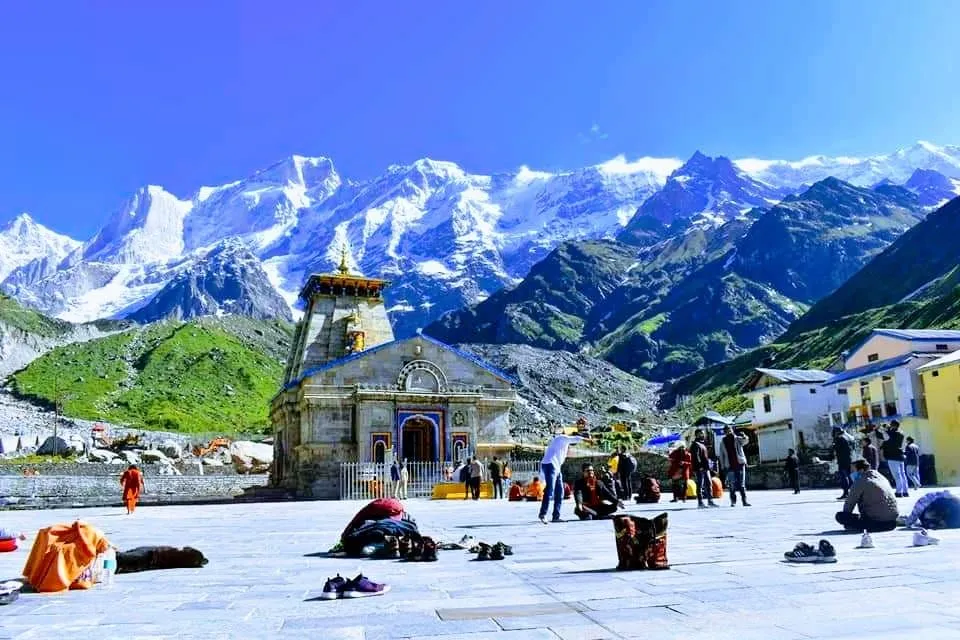
One of India’s most respected spiritual pilgrimages, the Kedarnath Yatra attracts nature lovers, environment lovers, and devotees from all over the world. The holy Kedarnath Temple, which is situated in the heart of the Himalayas, is a representation of everlasting faith, courage, and divine strength. This pilgrimage, which is surrounded by snow-covered peaks and stunning scenery, offers both religious fulfillment and a life-changing experience.
This thorough guide provides all the information you need to plan your first Kedarnath Yatra or gain a greater understanding of its significance.
Spiritual Significance of Kedarnath Yatra
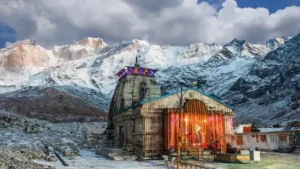
Since the temple is devoted to Lord Shiva and is one of the twelve Jyotirlingas, the Kedarnath Yatra is extremely significant in Hinduism. Along with Yamunotri, Gangotri, Kedarnath, and Badrinath, it is an essential component of the holy Char Dham Yatra.
The temple is thought to have been constructed by the Pandavas in order to ask Lord Shiva for forgiveness following the Kurukshetra war. Adi Shankaracharya later brought the temple back to life in the eighth century.
The Kedarnath Yatra, according to devotees, helps forgive for past mistakes and brings one closer to moksha, or liberation. The difficult landscape and spiritual aura present life’s path, which is full of difficulties but always fruitful.
Kedarnath Yatra Opening and Closing Dates
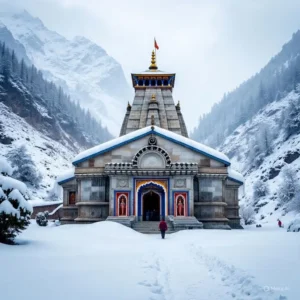
The Kedarnath Temple remains open only for six months due to extreme weather conditions. The opening date is decided on the auspicious occasion of Akshaya Tritiya, while the closing usually takes place around Bhai Dooj.
During winter, the idol of Lord Shiva is moved to Omkareshwar Temple, where worship continues.Choosing the right time for your Kedarnath Yatra is crucial for a safe and enjoyable experience.
Summer Season (May to June)
This is the most popular time for the Kedarnath Yatra. The weather is relatively pleasant, with temperatures ranging between 5°C to 18°C. However, expect large crowds during peak season.
Monsoon Season (July to August)
Heavy rainfall during this period increases the risk of landslides and roadblocks. It is generally advised to avoid planning your Kedarnath Yatra during monsoon.
Post-Monsoon (September to October)
This is considered the best time for the Kedarnath Yatra if you prefer fewer crowds and clear skies. The natural beauty of the region is at its peak during this period.
How to Reach Kedarnath
Reaching Kedarnath involves multiple modes of transportation followed by a trek.
By Air
The nearest airport is Jolly Grant Airport, located around 250 km from Kedarnath. From there, you can hire a taxi or take a bus to reach Gaurikund.
By Train
The nearest railway station is Rishikesh Railway Station. From Rishikesh, you can travel by road to Gaurikund.
By Road
Well-connected roads lead to Gaurikund, which is the base camp for the Kedarnath Yatra trek.
Kedarnath Trek: A Journey of Faith and Endurance
The Kedarnath Yatra trek from Gaurikund to the temple is approximately 16–18 km long. It is moderately difficult and requires both physical and mental strength.
Trek Route Highlights
- Gaurikund to Jungle Chatti
- Jungle Chatti to Bheembali
- Bheembali to Linchauli
- Linchauli to Kedarnath
The route is filled with scenic views of waterfalls, rivers, and lush valleys. Despite the physical challenge, the chants of “Har Har Mahadev” echoing through the mountains create a deeply spiritual atmosphere.
Alternative Options
If trekking is not feasible, you can opt for:
- Pony or mule rides
- Palki (palanquin) services
- Helicopter services from places like Phata and Guptkashi
Registration and Permits
The Uttarakhand government has made registration mandatory for the Kedarnath Yatra to ensure safety and proper crowd management. You can register online or at designated counters.
Biometric registration helps authorities track pilgrims and provide assistance during emergencies.
Accommodation During Kedarnath Yatra
There are several accommodation options available during the Kedarnath Yatra:
In Gaurikund and Nearby Areas
- Budget hotels
- Guesthouses
- Dharamshalas
Near Kedarnath Temple
- Government camps
- Tent accommodations
- Basic lodges
It is advisable to book in advance during peak Kedarnath Yatra season.
Food and Facilities
Basic food facilities are available throughout the Kedarnath Yatra route. You will find small eateries serving simple vegetarian meals like:
- Rice and dal
- Roti and sabzi
- Tea and snacks
Medical facilities, oxygen cylinders, and resting points are also available along the route to assist pilgrims.
Essential Packing List for Kedarnath Yatra
Packing smartly can make your Kedarnath Yatra much more comfortable:
- Warm clothes (even in summer)
- Waterproof jacket
- Trekking shoes
- First aid kit
- Water bottle
- Energy snacks
- Torch or flashlight
- Personal ID proof
Health and Safety Tips
The Kedarnath Yatra takes place at a high altitude, so it is important to take precautions:
- Acclimatize properly before starting the trek
- Stay hydrated
- Avoid alcohol and smoking
- Consult a doctor if you have pre-existing health conditions
- Walk at a steady pace and avoid overexertion
Weather Conditions in Kedarnath
Weather in Kedarnath can change rapidly. Even during summer, nights can be extremely cold. Sudden rainfall or snowfall is also possible.
Always check weather updates before starting your Kedarnath Yatra and be prepared for unexpected changes.
Places to Visit Near Kedarnath
While on your Kedarnath Yatra, you can also explore nearby attractions:
Bhairavnath Temple
Located close to Kedarnath Temple, this shrine is believed to protect the region during winter.
Vasuki Tal
A high-altitude lake known for its crystal-clear waters and scenic beauty.
Triyuginarayan Temple
A sacred site where Lord Shiva and Goddess Parvati are believed to have been married.
Environmental Responsibility
With increasing footfall, maintaining the ecological balance of the region is crucial. During your Kedarnath Yatra:
- Avoid using plastic
- Do not litter
- Respect local culture and traditions
- Follow designated trekking paths
Sustainable tourism ensures that future generations can also experience the beauty and spirituality of Kedarnath.
Why Kedarnath Yatra is More Than Just a Pilgrimage
The Kedarnath Yatra is not just about reaching a temple—it is about the journey within. The challenging trek teaches patience and perseverance, while the serene surroundings offer peace and clarity.
Standing before the ancient temple, with the towering Himalayas as a backdrop, is a moment that stays with you forever. It is where faith meets nature, and where the chaos of life fades into silence.
My Kedarnath Yatra Experience
My Kedarnath Yatra was more than just a trip to a holy temple; it was an inside transformation. Although I had always heard about Kedarnath’s spiritual significance, nothing could fully prepare me for what I was going to experience and see.
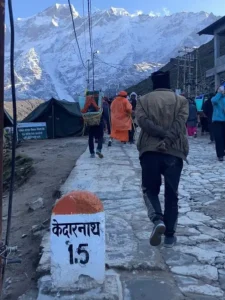
I left Gaurikund early in the morning to start my Kedarnath Yatra. The surroundings exuded a peculiar sense of devotion and serenity, and the air was clear. Almost as if it were directing me, I could hear the Mandakini River running alongside the walkway as I began my journey. I was excited and full of energy at first, but as the trip went on, the steep climb started to put my endurance to the test.
There were times when I doubted my ability to finish the journey and wanted to take a longer break. However, each time I stopped, I witnessed people chanting “Har Har Mahadev” with unshakeable faith, as well as old pilgrims and small children. I was motivated to persevere by their tenacity. The Kedarnath Yatra seems to be about finding inner fortitude as much as getting to the objective.
It was an amazing route. Every step I took was surrounded by foggy valleys, tiny waterfalls, and snow-covered summits. Even though I was physically tired, I couldn’t help but smile at how lovely nature was. I had the impression that I was traveling along a divine road with spiritual energy present in every element.
I eventually arrived at Kedarnath after trekking for hours. I was stunned when I saw the temple for the first time. It was an emotional moment to stand in front of it with the powerful Himalayas in the distance. The fatigue vanished in an instant. I had never felt such a profound sense of connectedness and serenity as I did when I entered the temple and prayed.
The simplicity of mountain life and the people’s faith were what most moved me during my Kedarnath Yatra. Despite the lack of luxury, everyone appeared happy and committed to their spiritual mission. It caused me to consider my priorities and life.
As I made my way back, I realized that I was not the same person who had started the journey. The Kedarnath Yatra had taught me patience, resilience, and gratitude. It helped me disconnect from the chaos of daily life and reconnect with myself.
Even today, when I think about my Kedarnath Yatra, I feel a sense of calm and positivity. It was not just a trip—it was a journey of the soul that I will cherish forever.
Har Har Mahadev!