

12 Jyotirlinga in India – Complete Guide to the Holiest Shiva Temples
A simple, complete guide for every devotee and traveller who wants to know about the 12 Jyotirlinga in India.
Introduction
India is a land of temples, faith, and ancient traditions. Among all the sacred shrines dedicated to Lord Shiva, the 12 Jyotirlinga in India hold the highest place. These twelve temples are not just places of worship — they are living symbols of divine energy and devotion. Millions of pilgrims travel across the country every year to seek blessings at these holy shrines.
If you are someone who wants to know more about these holy sites, this blog is for you. We have written everything in simple words so that anyone — young or old — can understand the importance, location, and history of these twelve divine temples. Whether you are planning a pilgrimage or just want to learn about Hindu culture, this guide will be very useful for you.
Let us take a journey through all twelve temples, one by one.
What Is a Jyotirlinga?
Before we talk about each temple, let us first understand what a Jyotirlinga is. The word “Jyotirlinga” comes from two Sanskrit words — Jyoti (meaning light) and Linga (a symbol of Lord Shiva). So, Jyotirlinga means “the radiant sign of Lord Shiva” or “pillar of light.”
According to Hindu scriptures, especially the Shiva Purana, Lord Shiva appeared as a never-ending column of light on Earth at twelve different places. These are the 12 Jyotirlinga in India. It is believed that worshipping at these sacred spots removes all sins and helps the devotee attain moksha (spiritual liberation).
The twelve sacred spots are spread across different states, making this pilgrimage a true journey through the heart of the country.
The Complete List of 12 Jyotirlinga in India
Here is a simple overview of all the 12 Jyotirlinga in India with their names and locations:
| No. | Jyotirlinga Name | Location |
|---|---|---|
| 1 | Somnath | Gujarat |
| 2 | Mallikarjuna | Andhra Pradesh |
| 3 | Mahakaleshwar | Madhya Pradesh |
| 4 | Omkareshwar | Madhya Pradesh |
| 5 | Kedarnath | Uttarakhand |
| 6 | Bhimashankar | Maharashtra |
| 7 | Kashi Vishwanath | Uttar Pradesh |
| 8 | Trimbakeshwar | Maharashtra |
| 9 | Vaidyanath | Jharkhand |
| 10 | Nageshwar | Gujarat |
| 11 | Rameshwaram | Tamil Nadu |
| 12 | Grishneshwar | Maharashtra |
Now let us learn about each of the 12 Jyotirlinga in India in detail.
1. Somnath Temple – Gujarat
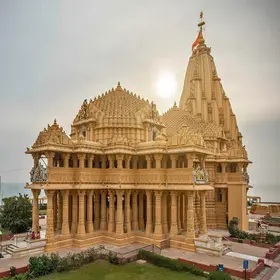
Somnath is the first and one of the most famous among the 12 Jyotirlinga in India. It is located in Prabhas Patan, near Veraval, in the state of Gujarat. The Somnath temple has been destroyed and rebuilt many times throughout history, which makes it a symbol of strength and devotion.
The temple stands on the shore of the Arabian Sea, and the sound of waves adds to its divine atmosphere. Somnath is mentioned in ancient texts like the Rigveda and Shiva Purana. Every year, lakhs of devotees visit this magnificent shrine.
Best Time to Visit: October to March
Nearest City: Veraval (6 km away)
2. Mallikarjuna Temple – Andhra Pradesh
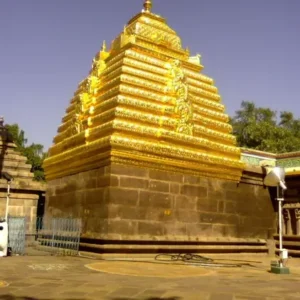
The second among the 12 Jyotirlinga in India is Mallikarjuna, located at Srisailam in Andhra Pradesh. This temple is built on the Nallamala Hills near the Krishna River. It is one of the most powerful temples in South India and is also considered a Shakti Peetha, making it doubly sacred.
The presiding deity here is Lord Shiva, worshipped as Mallikarjuna, and Goddess Parvati is known as Bhramaramba. The temple is surrounded by thick forests and is truly a divine experience for every devotee.
Best Time to Visit: September to February
Nearest City: Hyderabad (230 km away)
3. Mahakaleshwar Temple – Madhya Pradesh
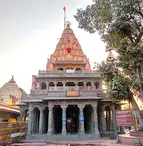
Mahakaleshwar in Ujjain, Madhya Pradesh, is the third of the 12 Jyotirlinga in India and perhaps the most famous. What makes this temple unique is that the Shivalinga here is Swayambhu (self-manifested), meaning it was not created by humans.
The Bhasma Aarti (ash ritual) performed here every morning before sunrise is one of the most extraordinary religious rituals in the world. Thousands of devotees gather at this spot daily. Ujjain is also the host city of the Kumbh Mela (Simhastha), making it one of the most visited Jyotirlinga temples.
Best Time to Visit: October to March
Nearest City: Indore (55 km away)
4. Omkareshwar Temple – Madhya Pradesh
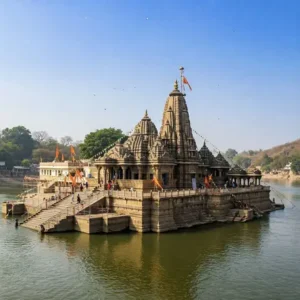
The fourth among the 12 Jyotirlinga in India is Omkareshwar, located on an island called Mandhata in the Narmada River in Madhya Pradesh. The shape of the island naturally forms the symbol “OM,” which is considered very sacred in Hinduism.
There are two temples on the island — Omkareshwar and Mamleshwar — and both are considered part of this single Jyotirlinga.Thousands of pilgrims cross the river by boat to reach this holy spot.
Best Time to Visit: October to March
Nearest City: Indore (77 km away)
5. Kedarnath Temple – Uttarakhand
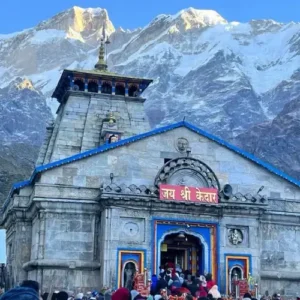
Kedarnath is the fifth among the 12 Jyotirlinga in India and is one of the most challenging to reach — and yet one of the most visited. It is situated at an altitude of 3,583 metres in the Himalayan ranges of Uttarakhand. The temple is surrounded by snow-capped mountains and glaciers, creating a breathtaking setting.
Kedarnath is also part of the Char Dham pilgrimage. The temple remains open only for six months a year (May to November) due to heavy snowfall in winter. Despite its remote location, millions of devotees visit this Himalayan gem every year.
Best Time to Visit: May to June, September to October
Nearest Town: Gaurikund (16 km trek)
6. Bhimashankar Temple – Maharashtra
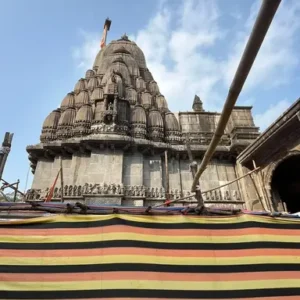
The sixth of the 12 Jyotirlinga in India is Bhimashankar, located in the Sahyadri Hills of Maharashtra, about 110 km from Pune. The temple is surrounded by dense forests and is part of the Bhimashankar Wildlife Sanctuary.
The Bhima River originates near this temple. According to mythology, Lord Shiva appeared here to defeat the demon Tripurasura. The lush green forests and cool climate make Bhimashankar one of the most scenic Jyotirlinga temples.
Best Time to Visit: October to February
Nearest City: Pune (110 km away)
7. Kashi Vishwanath Temple – Uttar Pradesh
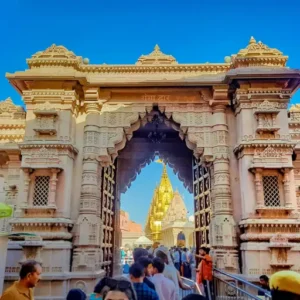
Kashi Vishwanath in Varanasi, Uttar Pradesh, is the seventh of the 12 Jyotirlinga in India and perhaps the most spiritually significant city in the world. Located on the banks of the sacred Ganga River, this temple has been a centre of Hindu culture and religion for thousands of years.
It is said that dying in Kashi (Varanasi) grants liberation. The newly built Kashi Vishwanath Corridor has made this temple even more grand and accessible to devotees. This is one of the most visited sacred shrines, drawing pilgrims from every corner of the world.
Best Time to Visit: October to March
Nearest Railway Station: Varanasi Junction
8. Trimbakeshwar Temple – Maharashtra
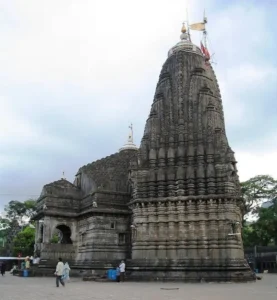
The eighth among the 12 Jyotirlinga in India is Trimbakeshwar, located near Nashik in Maharashtra. This temple is unique because the Shivalinga here has three faces representing Lord Brahma, Lord Vishnu, and Lord Shiva — the Hindu Trinity.
The Godavari River, one of India’s longest and most sacred rivers, originates near this temple. The Kumbh Mela held in Nashik (Simhastha) takes place in the town very close to this holy spot. This is one of the most visited sacred shrines, drawing pilgrims from every corner of the world.
Best Time to Visit: November to March
Nearest City: Nashik (28 km away)
9. Vaidyanath Temple – Jharkhand
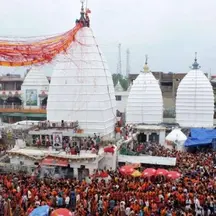
Vaidyanath (also known as Baidyanath) is the ninth of the 12 Jyotirlinga in India and is located in Deoghar, Jharkhand. It is also known as Baba Baidyanath Dham and is one of the most visited pilgrimage sites in Eastern India.
During the month of Shravan (July–August), millions of devotees carry holy water from the Ganges on foot for over 100 km to offer it at this temple. This tradition, known as the Kanwar Yatra, makes Vaidyanath one of the most energetic and powerful temple experiences in the country.
Best Time to Visit: Shravan month (July–August)
Nearest City: Jasidih Junction (7 km away)
10. Nageshwar Temple – Gujarat

The tenth among the 12 Jyotirlinga in India is Nageshwar, located near Dwarka in Gujarat. According to the Shiva Purana, Nageshwar is described as the destroyer of all poisons. The presiding deity here is worshipped as “Lord of Serpents.”
A massive 25-metre-tall statue of Lord Shiva sits outside the temple complex, which is visible from a long distance. The temple is close to Dwarka, one of the four sacred Dhams of India, making it a very convenient stop for pilgrims on their yatra.
Best Time to Visit: October to March
Nearest City: Dwarka (18 km away)
11. Ramanathaswamy Temple – Tamil Nadu
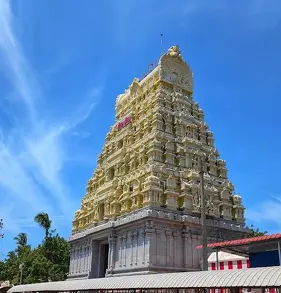
The eleventh among the 12 Jyotirlinga in India is Ramanathaswamy, located in Rameswaram, Tamil Nadu. This temple is also part of the Char Dham pilgrimage. According to the Ramayana, Lord Rama worshipped Lord Shiva here before crossing over to Lanka.
The temple is famous for its long corridors — the longest temple corridors in the world — stretching over 1,200 metres. The temple has 22 sacred wells (theerthams) inside its premises, and bathing in these is believed to wash away all sins. Rameswaram is one of the most divine stops on this holy pilgrimage journey.
Best Time to Visit: October to April
Nearest City: Madurai (170 km away)
12. Grishneshwar Temple – Maharashtra
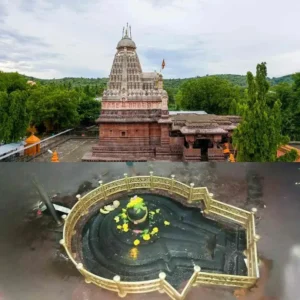
The twelfth and final of the 12 Jyotirlinga in India is Grishneshwar, located near Ellora in Aurangabad (now Chhatrapati Sambhajinagar), Maharashtra. The temple is very close to the famous Ellora Caves, a UNESCO World Heritage Site.
The current temple was built by Ahilyabai Holkar, the great Maratha queen, in the 18th century. The architecture is stunning, and the atmosphere is deeply spiritual. Visiting Grishneshwar completes this entire sacred circuit.
Best Time to Visit: October to March
Nearest City: Aurangabad (30 km away)
How to Plan Your 12 Jyotirlinga Yatra
Visiting all the 12 Jyotirlinga in India is a lifelong dream for many Hindus. Here are some simple tips to help you plan:
- Route Planning: Group nearby temples together. For example, Somnath and Nageshwar are both in Gujarat. Bhimashankar, Trimbakeshwar, and Grishneshwar are all in Maharashtra.
- Travel Mode: Trains and buses connect most of the 12 Jyotirlinga in India. Kedarnath requires a trek or helicopter service.
- Budget: You can complete the yatra in ₹30,000–₹60,000 per person depending on travel class and accommodation.
- Duration: A comfortable full circuit of the 12 Jyotirlinga in India takes about 20–30 days.
- Package Tours: Many travel agencies offer special package tours for the 12 Jyotirlinga in India, which cover accommodation, travel, and darshan arrangements.
- Online Booking: For temples like Kedarnath and Kashi Vishwanath, online registration and booking is available through official portals.
Significance and Spiritual Benefits
The 12 Jyotirlinga in India are not just religious sites — they are powerful energy centres. Visiting these temples is believed to:
- Remove past sins and bad karma
- Bring peace of mind and happiness
- Grant blessings for good health and prosperity
- Help attain moksha (spiritual liberation) after death
- Strengthen one’s devotion to Lord Shiva
Even visiting one of the 12 Jyotirlinga in India is considered extremely auspicious. A complete yatra of all 12 Jyotirlinga in India is believed to be one of the greatest spiritual achievements in a person’s life.
Official Government Resources for Pilgrims
The Government of India and various state governments have set up official websites to help pilgrims visit the 12 Jyotirlinga in India safely and comfortably. Here are the main official portals you should bookmark before starting your journey:
- Incredible India (Tourism Ministry): www.incredibleindia.org – The official tourism portal of the Government of India with travel information on all major pilgrimage sites including the 12 Jyotirlinga in India.
- Kedarnath & Char Dham Yatra: registrationandtouristcare.uk.gov.in – Official registration portal by the Uttarakhand government for Kedarnath yatra. Mandatory registration before visiting.
- Kashi Vishwanath Temple: shrikashivishwanath.org – Official website for Kashi Vishwanath Temple, Varanasi — online darshan booking and pooja registration.
- Somnath Temple Trust: somnath.org – Official website of the Shree Somnath Temple Trust for temple timings, accommodation, and online darshan.
- Mahakaleshwar Temple: mahakaleshwar.nic.in – Official government portal for Mahakaleshwar temple, Ujjain — book Bhasma Aarti and other poojas online.
- Omkareshwar Temple: omkareshwar.nic.in – Official Madhya Pradesh government site for Omkareshwar temple information.
- IRCTC Pilgrimage Tours: www.irctctourism.com – Indian Railways’ official tourism portal offering special train packages covering the 12 Jyotirlinga in India.
- Rameswaram Temple: www.rameswaram.nic.in – Official Tamil Nadu government site with details about the Ramanathaswamy Temple.
- Bhimashankar & Maharashtra Temples: www.maharashtratourism.gov.in – Maharashtra government tourism portal with information on Bhimashankar, Trimbakeshwar, and Grishneshwar.
- Ministry of Tourism, India: tourism.gov.in – For government travel schemes and safety guidelines for pilgrims visiting the 12 Jyotirlinga in India.
We strongly recommend using these official government websites for bookings, registrations, and travel planning. Avoid third-party agents for critical reservations, especially for Kedarnath and Kashi Vishwanath.
Conclusion
These twelve sacred shrines are among the most priceless gifts of our ancient Hindu civilization. Each temple carries its own unique story, divine beauty, and deep spiritual energy. From the snow-covered heights of Kedarnath to the peaceful ocean shores of Somnath and Rameswaram, this holy yatra takes you on a journey through the soul of this great country.
Whether you are a devoted pilgrim or simply a curious traveller, visiting these sacred Shiva temples is an experience that will stay with you for a lifetime. The peace you feel inside these temples, the chants of “Har Har Mahadev,” and the divine energy around you — all of this is beyond words.
Start your journey with one temple, and let the blessings of Lord Shiva guide you to all twelve. May your yatra be safe, blessed, and memorable.
🙏 Har Har Mahadev!
Explore More on Our Blog
We regularly write about Indian temples, pilgrimages, travel guides, and spiritual journeys. Here are some of our other blogs that you might find helpful —
- 👉 Complete Guide to Char Dham Yatra
- 👉Trip to Shri Mata Vaishno Devi Katra
- 👉Kedarnath Yatra
- 👉 Varanasi Trip